Examines Maison Margiela's groundbreaking approaching to fashion, highlighting it deconstructive techniques and conceptual designs.The project explores how the brand challenged traditional aesthetics and influenced major fashion movements

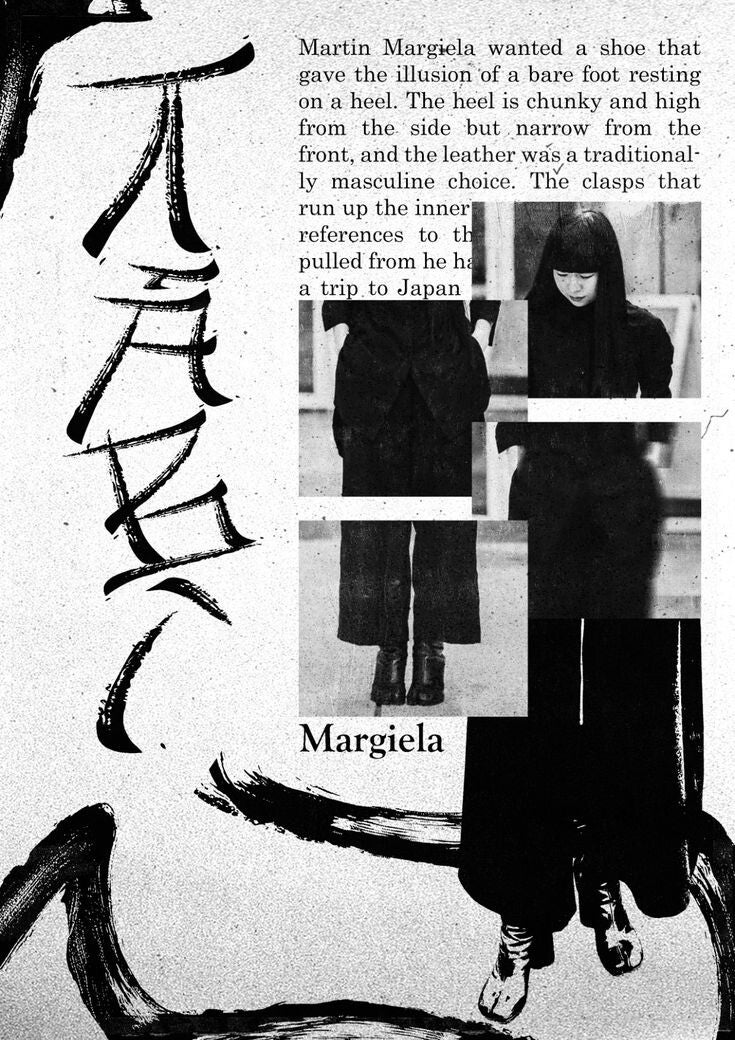
About Maison Margiela
Maison Margiela originally known as Maison Martin Margiela, is a French fashion brand founded in 1988 by Belgian designer Martin Margiela and Jenny Meirens in Paris. Inspirations from unconventional materials, vintage clothing and conceptual art were all drawn upon while creating the brand. Margiela adapted a signature look that distinguished them from other brands; the exposed seams, unfinished hems, oversized silhouettes, and reconstructed garments all helped with building the Maison Margiela look. His ideas of design challenged traditional interpretations of luxury clothing by transforming ordinary materials into stand out pieces of fashion.
Although Maison Margiela was founded in Paris, the brand has significant connections to Japanese fashion and culture.
Margiela
Margiela gained traction following his SS89 collection, which introduced the signature unconventional approach to garment construction. The brand became recognizable for its iconic Tabi boots, inspired by traditional Japanese split-toe footwear, as well as its four white stitches and numerical clothing labels.
Margiela maintained a quiet personal life throughout his career, allowing his garments and creative vision to speak for themselves rather than relying on celebrity status Following Martin Margiela's departure in 2009, the fashion house continued to evolve.
Today, original garments from Martin Margiela's are highly praised within the archive fashion community. His rejection of traditional fashion trends continues to influence new designers; his work influenced new designers to demonstrate imperfection, reconstruction and originality in their designs.
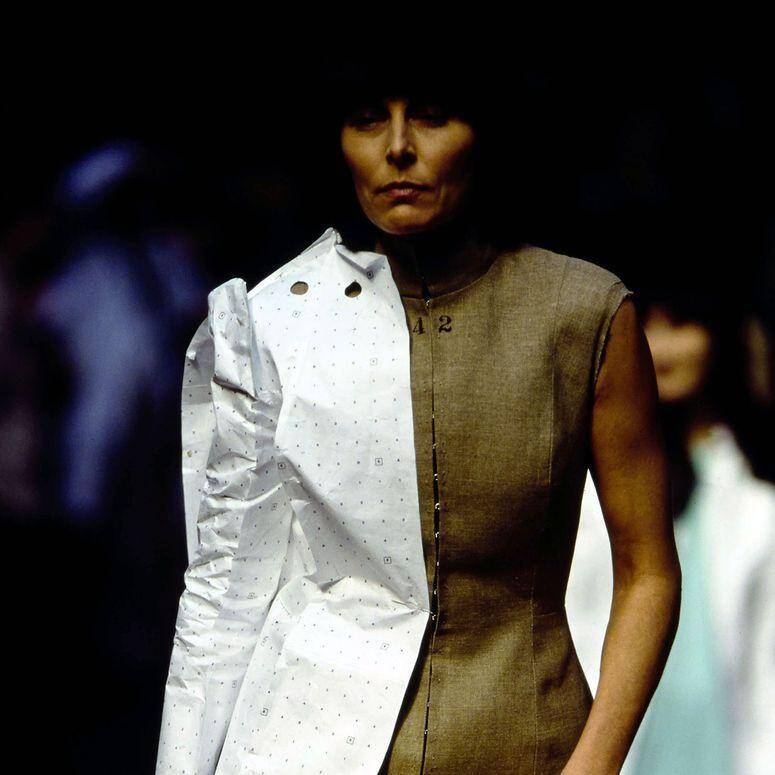



During a trip to Japan in the 1980s, Margiela discovered traditional Japanese split-toe footwear. This inspired his iconic Tabi boots, which appeared in his SS89 debut collection. The design eventually became one of the most recognizable symbols of the fashion house.

Interestingly enough, Maison Margiela opened its first-ever store in September 2000 in the Ebisu district of Tokyo. This demonstrates the importance of Japan to the brand's international development and cultural identity.

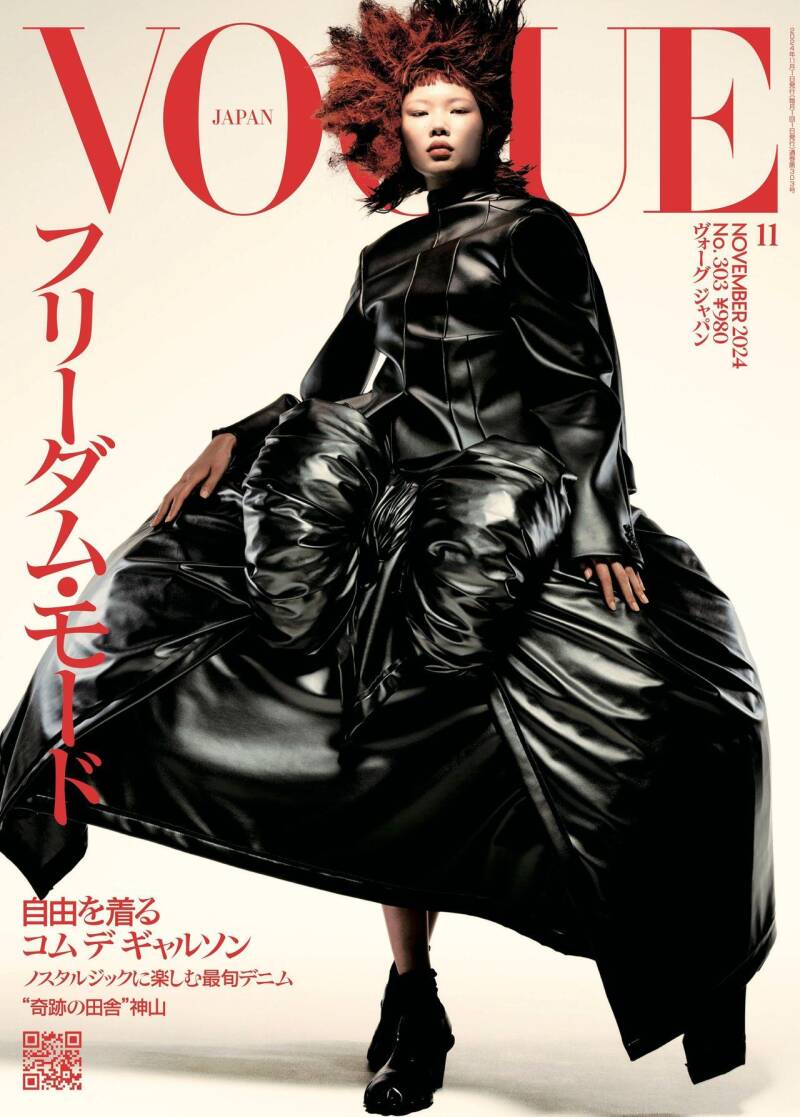
Margiela was strongly influenced by Japanese avant-garde designers Rei Kawakubo and Yohji Yamamoto. Their rebellion against standardized beauty, asymmetrical silhouettes and experimental construction inspired Margiela to explore deconstruction, unfinished seams and unconventional materials.
Create Your Own Website With Webador