Chronology of Japanese archive fashion
Archive fashion represents more than vintage clothing; it highlights the value of rare garments preserved for historical, cultural, and conceptual purpose. This timeline covers the evolution of Japanese archive fashion from the late 1960s to the present day, including influential designers, international fashion brands, iconic collections and the relationship between fashion and hip-hop culture. .

1960s–1970s: The Foundations of Fashion Revolution
The 'archive fashion' movement began in the late 1960s with Rei Kawakubo establishing Comme des Garçons. Alongside Yohji Yamamoto and Issey Miyake, these pioneers challenged early Western fashion trends in Paris during the 1980s with deconstructed tailoring, distressed fabrics, and innovative ideas nobody has seen; creating a blueprint that permanently shifted designers in fashion.

1980s: The Avant-Garde Revolution
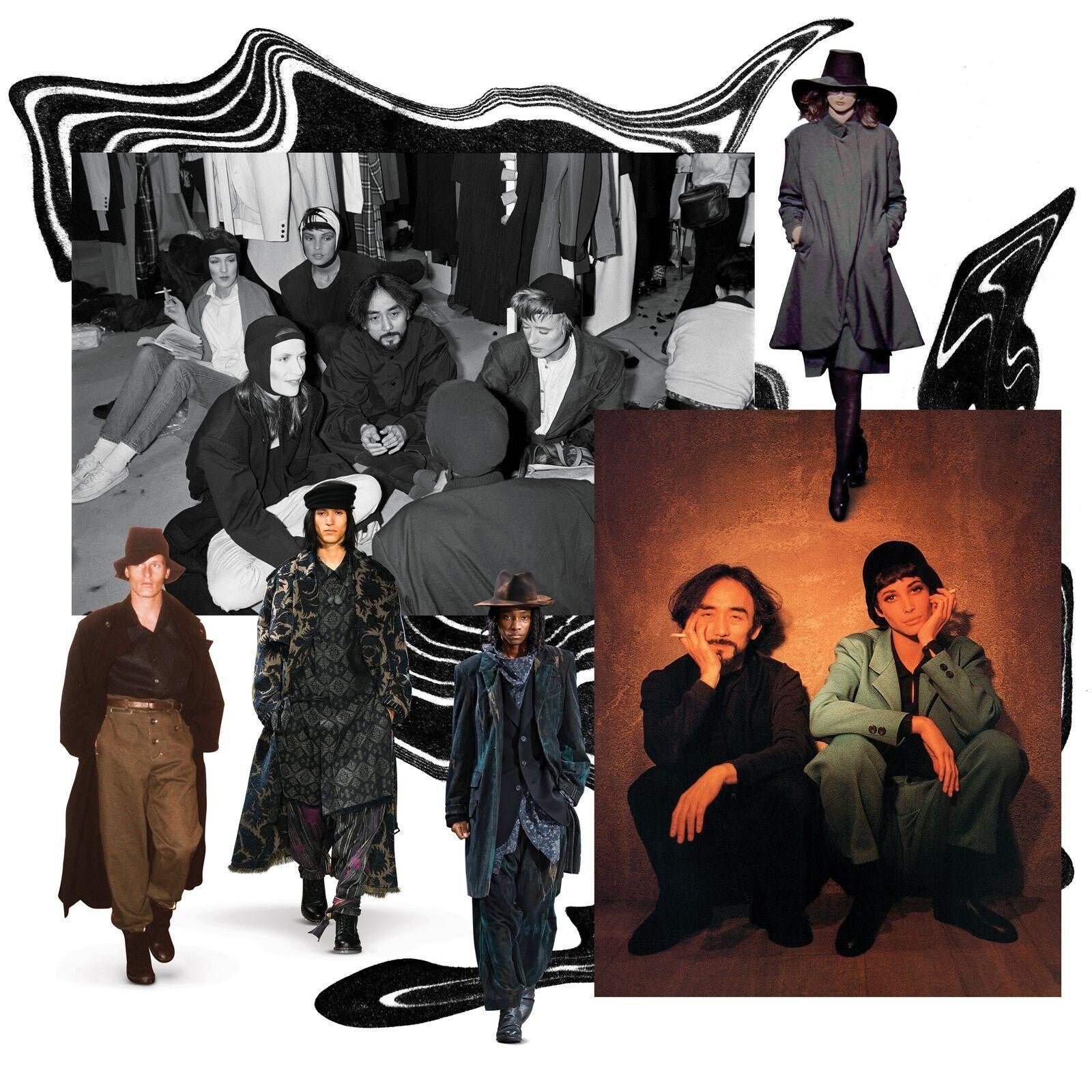
By the 1980s, Tokyo's backstreets birthed the influential avant-garde scene. Comme des Garçons and Yohji Yamamoto both debuted their distressed fabrics, and irregular silhouettes to the people of Paris fashion week. Nobuhiko Kitamura and Toshikiyo Hirata combined American pop culture, patchwork, and vintage graphics to established their names in the fashion scene; giving the people Hysteric Glamour, and Kapital.
1990s: The emergence of Japanese Streetwear
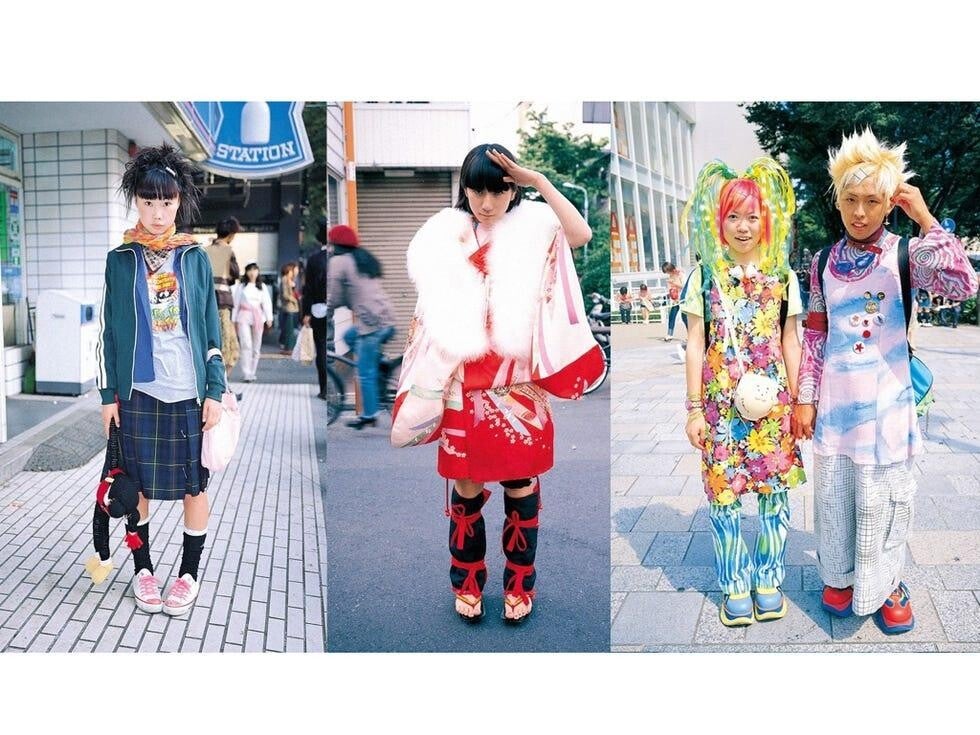
The 1990s brought major growth in Japanese streetwear and experimental fashion. Jun Takahashi founded Undercover in 1990, followed by Junya Watanabe's line in 1992 and Nigo's A Bathing Ape in 1993. Raf Simons launched his label in 1995, while Takahiro Miyashita founded Number (N)ine in 1996. Kapital, Mastermind Japan and If Six Was Nine also emerged, blending traditional craftsmanship, rock music, vintage Americana and rebellious youth culture.
2000s: The Golden Era of Archive Fashion
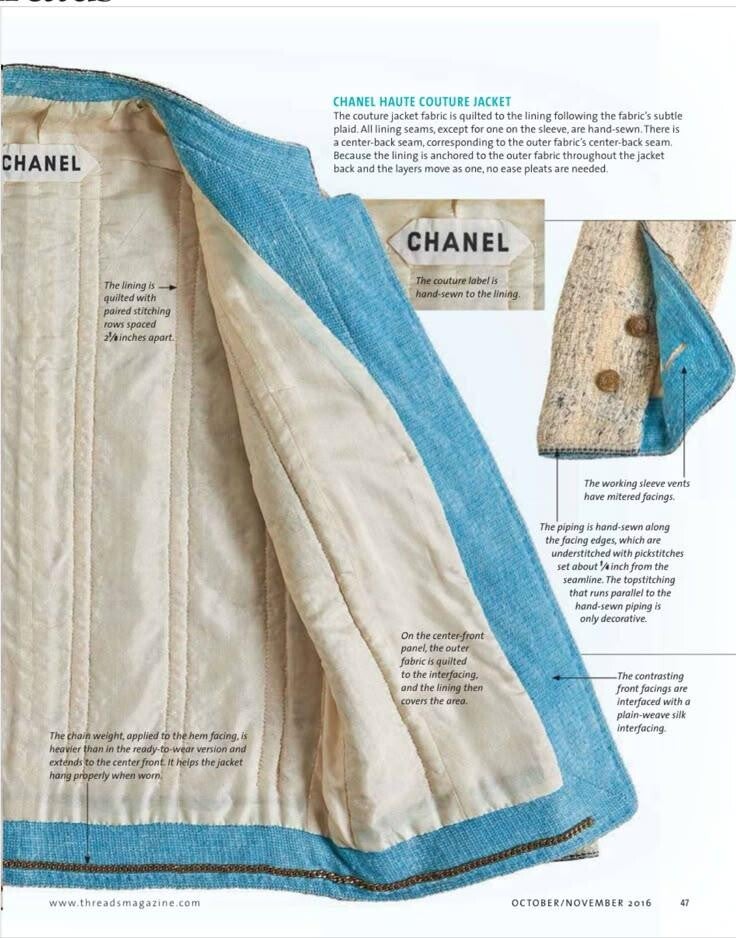
The 2000s produced collections and garments that are highly sought upon by the archive fashion community. Maison Margiela opened its first Tokyo store in 2000, while Comme des Garçons launched PLAY and Yohji Yamamoto partnered with Adidas on Y-3 in 2002. Undercover debuted in Paris with its SS03 SCAB collection, later introducing iconic denim including the 68 Red Yarns and Blue 85s. Number (N)ine debuted in Paris in 2004, while BAPE gained international recognition through Pharrell Williams, Kanye West, Lil Wayne and other hip-hop artists.
2010s: Hip-Hop & The Rise of Archive Culture
Throughout the 2010s, hip-hop became very influential in the popularization of Japanese and European designer fashion. In 2010 while Nigo introduced Human Made before selling BAPE in 2011, Kanye West showcased Maison Margiela's crystal-covered masks during his 2013 Yeezus tour, and artists such as Drake and A$AP Rocky helped introduce experimental designer clothing to wider audiences. Toward the end of the decade, social media, resale platforms and artists such as Travis Scott and Playboi Carti contributed to renewed interest in historical collections and Japanese archive fashion.
2020 - Present Day- The Modern Archive Fashion Movement
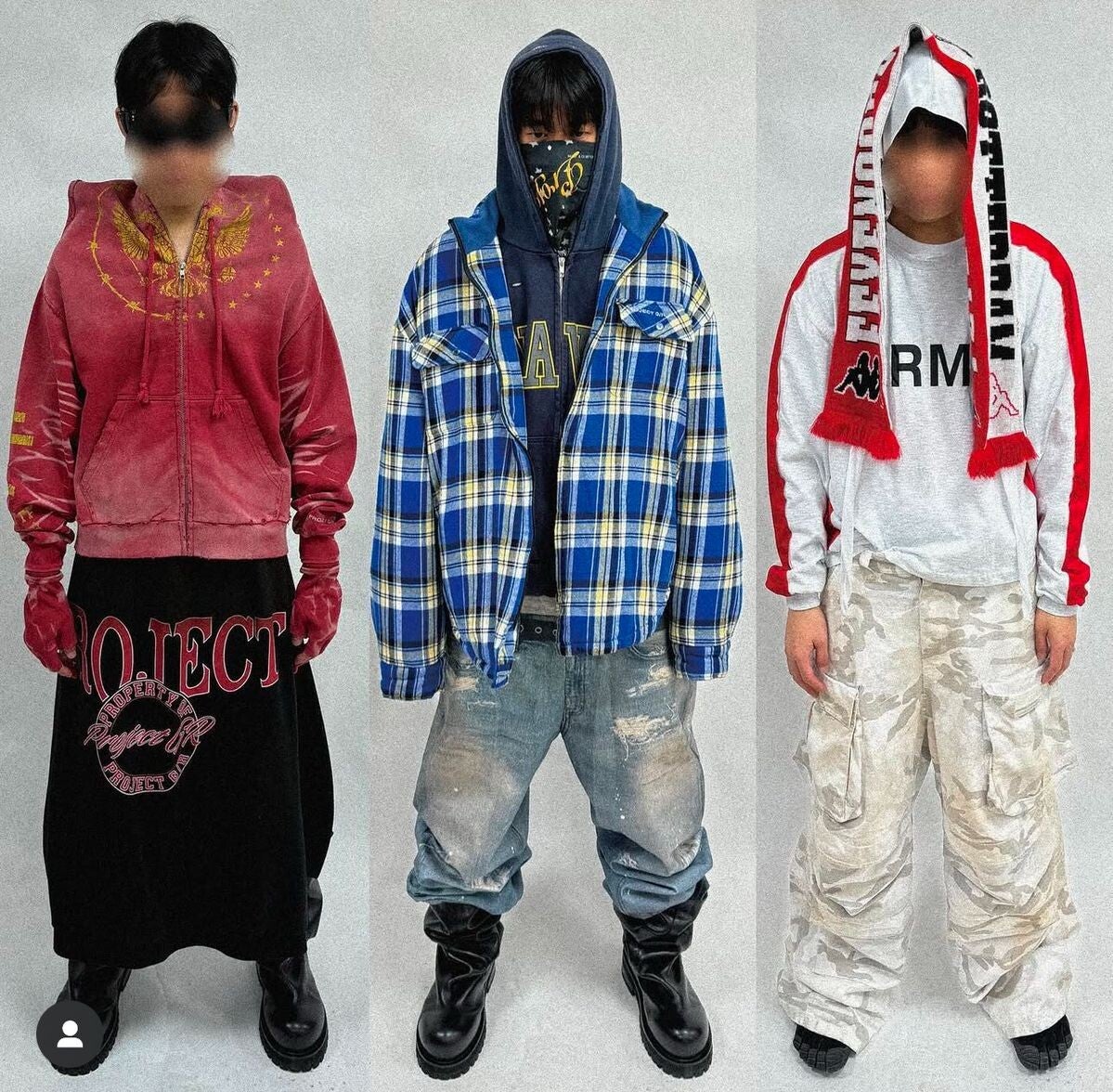
Archive fashion has become increasingly recognized with fashion culture throughout the 2020s. Brands such as Kapital, Undercover, Number (N)ine, Hysteric Glamour, and If Six Was Nine have experienced returned interest through social media, hip-hop, and online fashion communities. The passing of Issey Miyake in 2022 and the closure of Raf Simons' independent label pushed the historical significance of their creative contributions. Today, archive fashion represents more than simply collecting older garments; it represents an appreciation for craftsmanship, artistic expression, cultural history and the creative visions of influential designers.
Create Your Own Website With Webador